

How to harvest spinach: Ortomec’s definitive guide
Author: Ortomec Press
Latest update: June 10, 2026
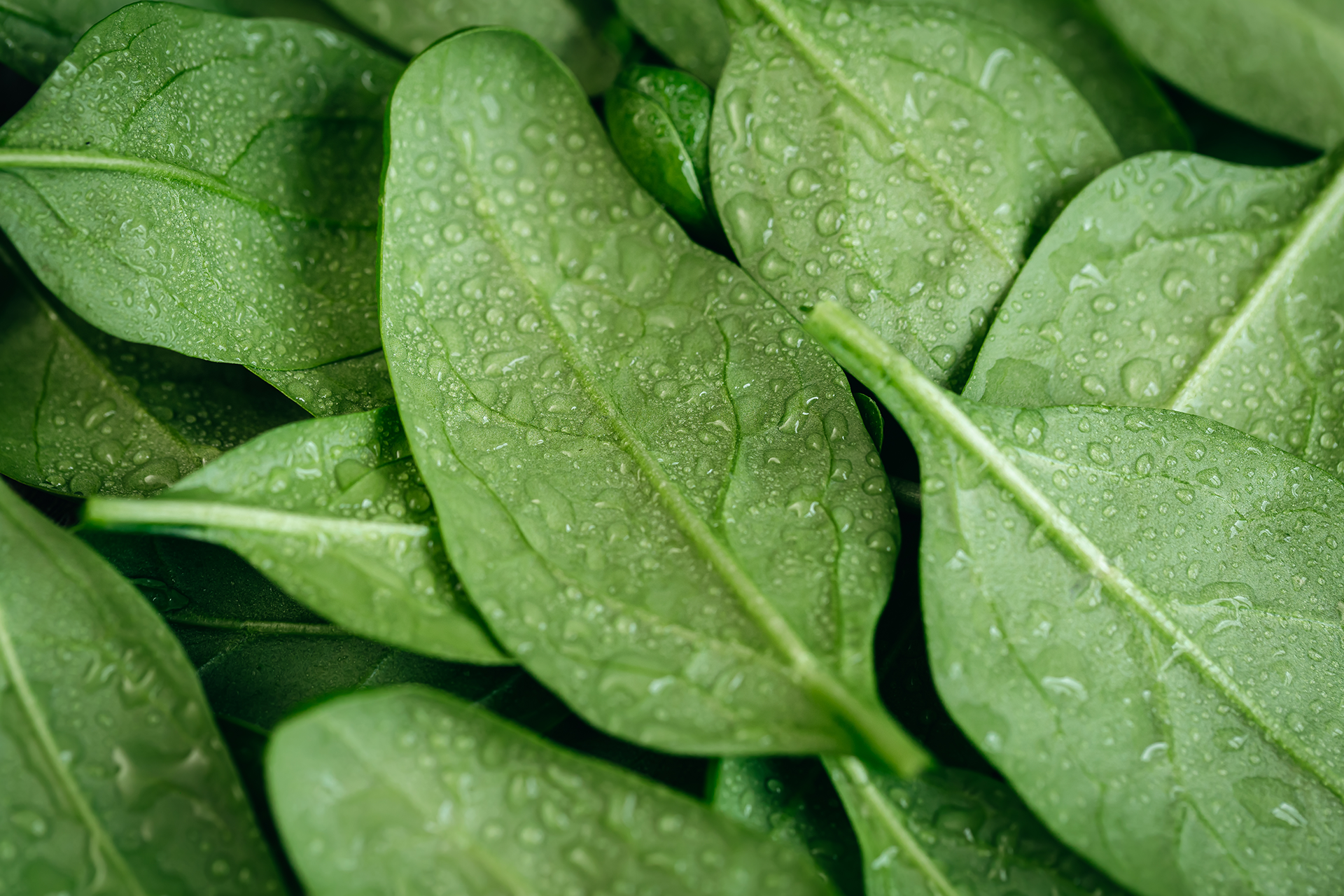
Spinach harvesting is a crucial stage for ensuring quality, yield, and production continuity. In a professional context, where efficiency and standardization make all the difference, knowing the correct harvesting techniques helps not only optimize working times, but also preserve the commercial value of the product.
In this in-depth guide, we analyze the main variables to consider for effective spinach harvesting.
Spinach growth cycle
Spinach is a relatively short-cycle crop, with timing that varies depending on the variety, season, and soil and climate conditions. In general, the cycle ranges from 30 to 60 days from sowing.
For a professional operator, it is essential to monitor:
- leaf development (size and texture),
- crop density,
- any signs of stress (water or heat stress).
Harvesting at the right time means obtaining leaves with the right balance between tenderness and structure, which are essential characteristics for both the fresh market and industrial processing.
How to harvest spinach
Spinach can be harvested manually or mechanically, but in a professional context – such as farms and agricultural companies – mechanization is the strategic choice to ensure productivity and uniformity.
The main harvesting methods are:
- Blade cutting: the most widespread system, ideal for fast harvesting on a large scale.
- Selective harvesting: used for high-quality productions or baby leaf crops.
- Continuous mechanized harvesting: perfect for large areas and intensive cycles.
Using specialized machines makes it possible to:
- reduce operating times,
- standardize cutting height,
- limit leaf damage,
- improve supply chain efficiency.
Single cut vs. multiple harvesting of spinach
Single cut
Single cutting involves harvesting the entire crop in one operation. It is the most common choice for productions intended for industry or large-scale retail.
Advantages:
- fast operation,
- simplified planning,
- uniform product.
Multiple harvesting (multi-cut)
Multiple harvesting, on the other hand, allows several cuts to be made on the same crop, taking advantage of spinach’s regrowth capacity.
Advantages:
- higher yield per crop cycle,
- optimization of investments,
- continuity of supply.
However, this method requires greater attention to cutting management and agronomic conditions.
How cutting height affects spinach regrowth
Cutting height is one of the most critical aspects of spinach harvesting, especially in multi-cut systems.
Cutting too low can:
- compromise the growing point,
- reduce regrowth capacity,
- increase plant stress.
On the contrary, cutting too high can:
- reduce immediate yield,
- generate a non-uniform product.
The ideal solution is to find a balance that makes it possible to:
- preserve the vegetative heart,
- ensure fast and uniform regrowth,
- maintain high quality standards.
Today, advanced harvesting technologies allow precise control of cutting height, minimizing human error.
Post-harvest management of spinach
The post-harvest stage is essential for maintaining product quality throughout the entire supply chain.
The main aspects to consider are:
- Fast cooling: essential for preserving freshness and shelf life.
- Product cleaning: removal of residues and impurities.
- Temperature-controlled storage: to prevent deterioration.
To sum up, efficient post-harvest management makes it possible to:
- reduce waste,
- improve logistics,
- ensure consistent quality standards.
Can spinach be harvested more than once?
Yes, spinach can be harvested more than once, but only if specific agronomic and operational conditions are respected.
To make multiple harvesting sustainable, it is necessary to:
- maintain an adequate cutting height,
- ensure proper water and nutrient supply,
- avoid excessive mechanical stress.
Common mistakes to avoid when harvesting spinach
Even in advanced systems, some mistakes can compromise the final result:
- Uneven cutting → reduces quality and regrowth.
- Incorrect timing → harvesting too early or too late.
- Inefficient post-harvest management → loss of freshness.
- Poor equipment maintenance → product damage.
Conclusion
Investing in advanced harvesting technologies – such as Ortomec spinach harvesters – and adopting correct agronomic practices means:
- increasing efficiency,
- ensuring consistent quality,
- improving the economic sustainability of production.
In an increasingly competitive market, precision, control, and the ability to optimize every stage of the process make all the difference. Contact us to receive more information about our machines or to schedule a conversation with our team.