

How to harvest parsley: timing, techniques and useful tips
Author: Ortomec Press
Latest update: April 15, 2026
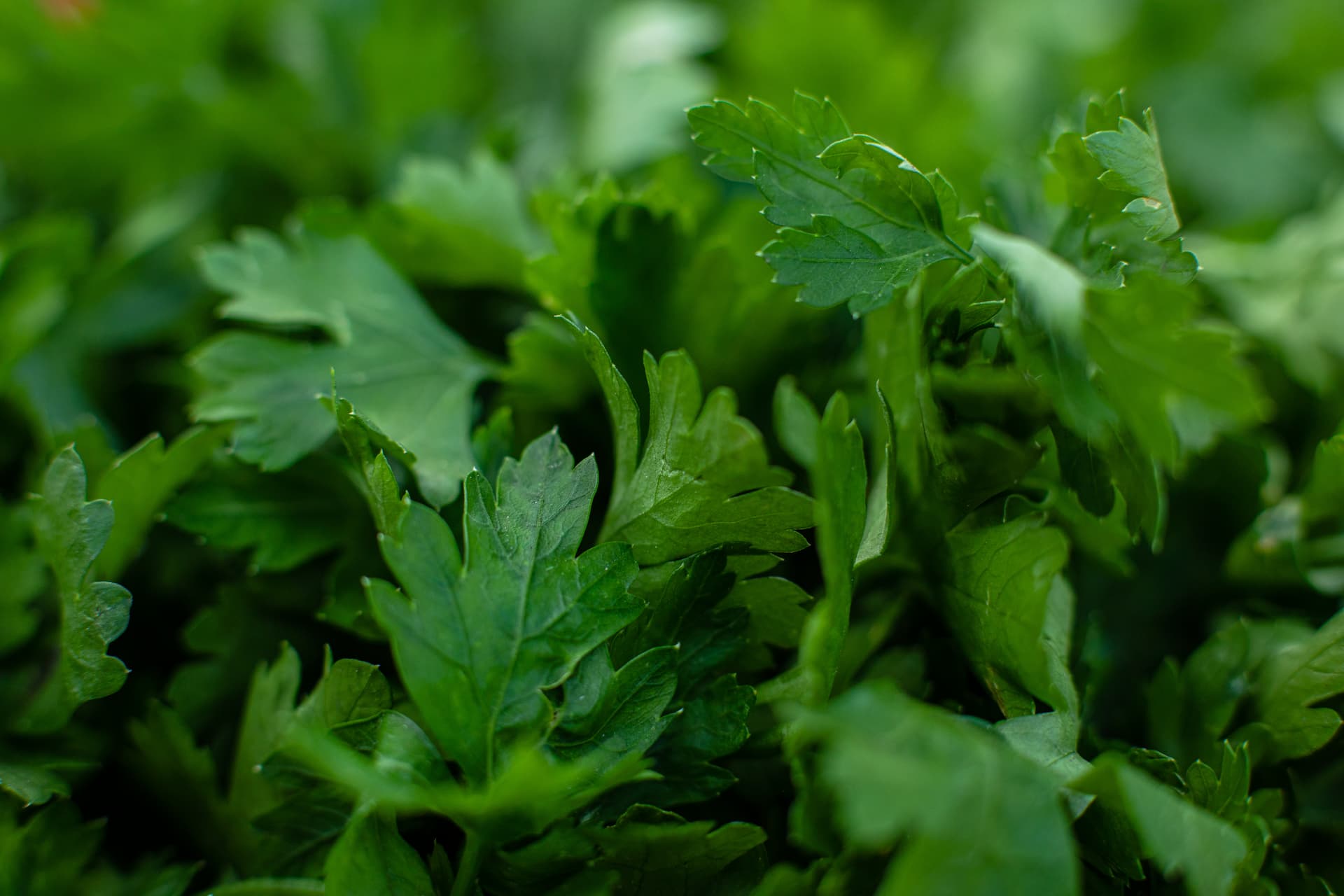
Parsley (Petroselinum crispum) is one of the most widely used aromatic herbs in the food market, both for fresh consumption and industrial processing. Thanks to its versatility and the possibility of multiple cuts during the growing cycle, it represents an interesting crop for many farms specialized in herbs.
To obtain a high-quality product and maximize commercial yield, it is essential to know how to harvest parsley at the right time and with the proper techniques.
A well-organized harvest helps preserve aroma, color, and leaf integrity, while improving operational efficiency and farm profitability. To learn more, keep reading!
Why proper parsley harvesting is important
The harvesting phase directly affects several aspects of the production chain:
- quality of the product intended for the fresh market or processing;
- leaf shelf life;
- uniformity of commercial batches;
- plant regrowth capacity for subsequent cuts.
A properly executed cut allows the plant to regenerate quickly, making multiple harvest cycles possible during the season. On the contrary, cutting too low or unevenly can compromise crop vitality and reduce overall field productivity.
How to harvest parsley
Parsley can be harvested manually or using mechanized systems, depending on the size of the farm and the cultivated area.
Manual harvesting
On small surfaces, manual cutting is carried out using scissors or sharp knives, cutting the stems a few centimeters above the ground. This technique allows for accurate product selection but requires significant time and labor.
Mechanical harvesting
Professional farms increasingly use leafy vegetable harvesters designed to perform a uniform and gentle cut.
The main advantages of mechanical harvesting are:
- higher operating speed;
- reduced labor costs;
- uniform cutting across the entire cultivated area;
- improved field logistics organization.
Machines dedicated to leafy crops allow precise adjustment of cutting height and convey the harvested product into ventilated crates, reducing mechanical stress on the leaves.
Optimizing parsley fields for mechanical harvesting
To fully benefit from harvesting technologies, it is necessary to properly set up the crop system.
Key agronomic practices include:
- uniform sowing and controlled density to ensure even growth;
- regular and well-spaced rows to facilitate machine movement;
- leveled soil to ensure consistent cutting;
- weed management, as weeds can interfere with harvesting systems.
When to harvest parsley
The timing of harvest depends on plant development and the product’s commercial destination.
In general, the first cut takes place when:
- plants reach 15-20 cm in height;
- foliage is well developed and uniform;
- leaf color is intense and bright.
Parsley can be harvested multiple times during the season due to its regrowth capacity. It is advisable to wait 3-4 weeks between cuts, depending on climatic conditions and soil fertility.
Harvesting during the coolest hours of the day, such as early morning, helps preserve leaf quality and reduce loss of turgidity.
Post-harvest parsley management
The post-harvest phase is crucial to maintain product quality and extend shelf life.
Main recommended practices:
- rapid cooling of the product after cutting;
- storage at temperatures between 0 and 4 °C;
- use of ventilated crates to promote air circulation;
- reduction of time between harvesting and packaging.
Proper cold chain management helps preserve aroma, color, and leaf texture—key elements to meet the demands of distribution and the food industry.
Conclusion
Knowing how to harvest parsley professionally means combining agronomic knowledge, production planning, and appropriate technologies.
A well-organized harvest allows you to:
- improve product quality;
- increase field productivity;
- ensure consistent supply to the market;
- optimize farm operating costs.
If you would like to learn more about the most suitable technological solutions for harvesting leafy crops, the Ortomec team is at your disposal: contact us for more information.