

How to Harvest Sage: Timing, Cutting Methods and Proper Drying
Author: Ortomec Press
Latest update: June 25, 2026
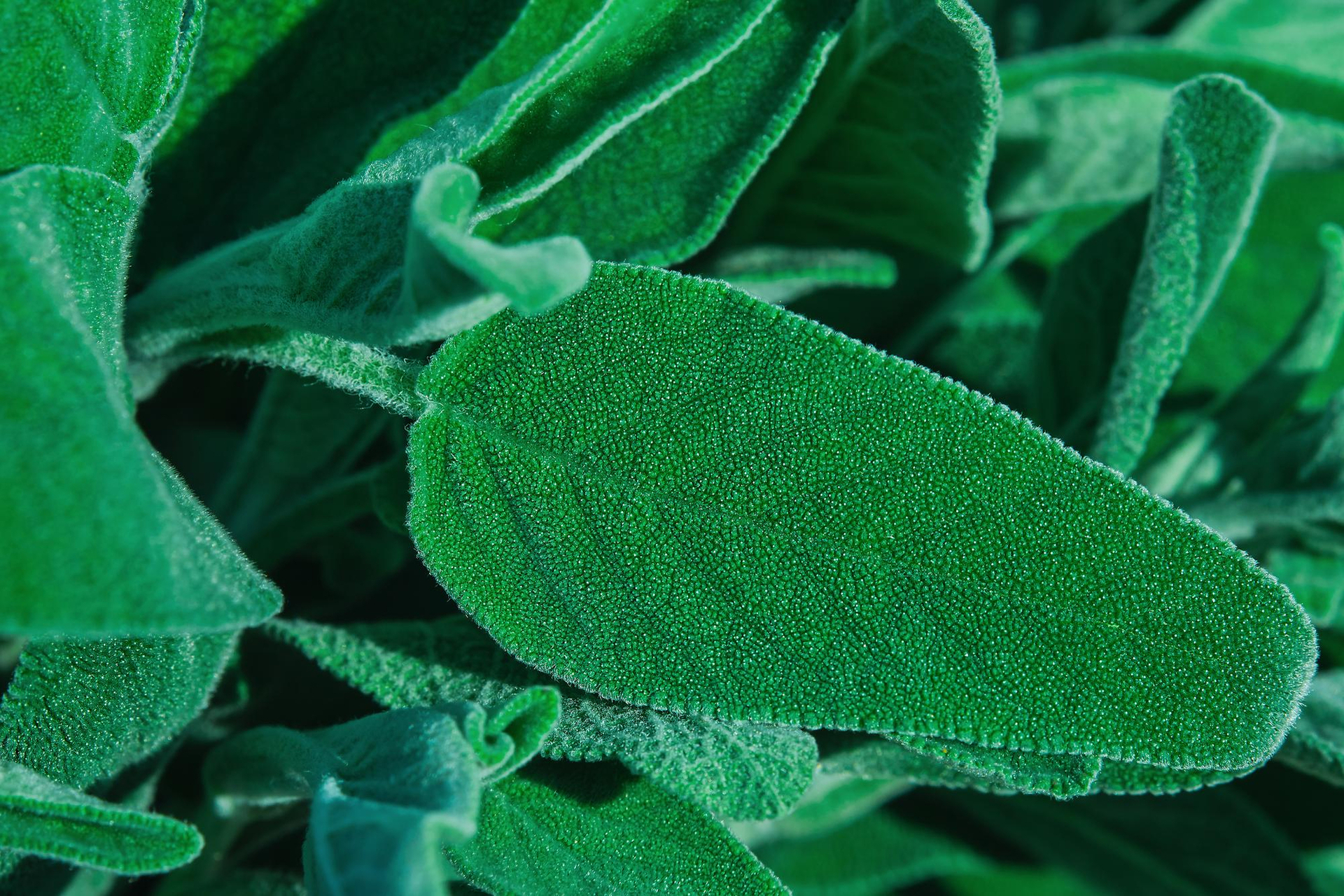
Sage (Salvia officinalis) is one of the most widely cultivated and valued aromatic plants in the food, herbal, and pharmaceutical industries. Thanks to its high essential oil content and commercial versatility, it represents an attractive crop for many farms specialising in aromatic herbs.
Obtaining a high-quality product requires knowing how to harvest sage at the right time and with the most appropriate techniques. A correctly executed harvest preserves aroma, colour and active compounds, while also promoting the plant’s long-term productivity.
This guide covers best practices for professional sage harvesting, from choosing the ideal period to storing the dried product.
Why Proper Sage Harvesting Matters
The harvesting phase directly affects the final product quality and the crop’s profitability.
Harvesting at the right time allows you to:
- maximise essential oil content;
- obtain more aromatic and uniform leaves;
- improve product shelf life;
- encourage healthy and vigorous regrowth;
- reduce waste in subsequent processing stages.
How to Harvest Sage
Sage can be harvested manually or through mechanised systems, depending on the cultivated area and the intended use of the product.
In professional production, harvesting is generally carried out by cutting the apical portions of the plant, avoiding intervention on the more lignified parts.
Good practices include:
- cutting during the cooler hours of the day;
- avoiding harvesting after recent rainfall or irrigation;
- using sharp blades to achieve clean cuts;
- maintaining a cutting height that promotes regrowth.
For farms cultivating large areas, aromatic herb harvesters allow for a standardised process, ensuring uniform cutting and reducing harvesting time.
Ortomec solutions, designed for professional harvesting of leafy crops, enable efficient operation while preserving product integrity and optimising field operations.
When to Harvest Sage
The harvesting period depends on the intended end use of the product.
In general, sage reaches its peak aromatic content:
- just before flowering;
- during the early flowering stages;
- on dry, sunny days.
For fresh leaf production, cutting is typically carried out from spring through to early autumn.
For production intended for drying, the best time coincides with the period when the concentration of essential oils in the leaves is at its highest.
How to Dry Sage Properly
Drying is a critical step for preserving the quality, aroma and properties of sage.
Freshly harvested leaves must be:
- cleaned of any impurities;
- spread in thin layers;
- placed in dry, well-ventilated environments.
For professional production, temperature-controlled drying chambers are generally used.
Optimal conditions include:
- temperature between 35 and 45 °C;
- constant ventilation;
- absence of direct light.
Excessively high temperatures can compromise the quality of the essential oils and alter the colour of the leaves.
Drying is complete when the leaves are crumbly but retain their characteristic aromatic scent.
Pruning and Harvesting: What Is the Difference?
Although often confused, harvesting and pruning serve different purposes.
Harvesting is aimed at obtaining the commercial product and is carried out by selecting the parts of the plant intended for sale or processing.
Pruning, on the other hand, has an agronomic function and serves to:
- maintain the plant’s shape;
- encourage the emergence of new shoots;
- improve long-term productivity;
- remove dry or damaged branches.
In professional farms, the two operations are often integrated within a crop management strategy aimed at maximising yield and quality.
How to Store Dried Sage
Once drying is complete, sage must be stored correctly to preserve its organoleptic characteristics.
Key recommendations include:
- storing the product in airtight containers;
- protecting the leaves from light;
- maintaining dry, moisture-free environments;
- avoiding temperature fluctuations.
For farms and processors, proper storage management allows high quality standards to be maintained and losses during commercialisation to be reduced.
When stored under optimal conditions, dried sage retains its aroma and properties for several months.
Conclusion
Knowing how to harvest sage professionally means correctly managing every stage of the process: from choosing the ideal cutting time, through to drying and storing the product.
Would you like to find out which solutions can improve harvesting efficiency on your farm? Contact our team for more information.